Light the Flame of Freedom.

5 Weird Facts About the U.S. Constitution You Didn't Know
Everyone knows the Constitution exists. Most people couldn't tell you how it actually got made — or how strange the story behind it really is. Here are five facts that didn't make it into your history class.
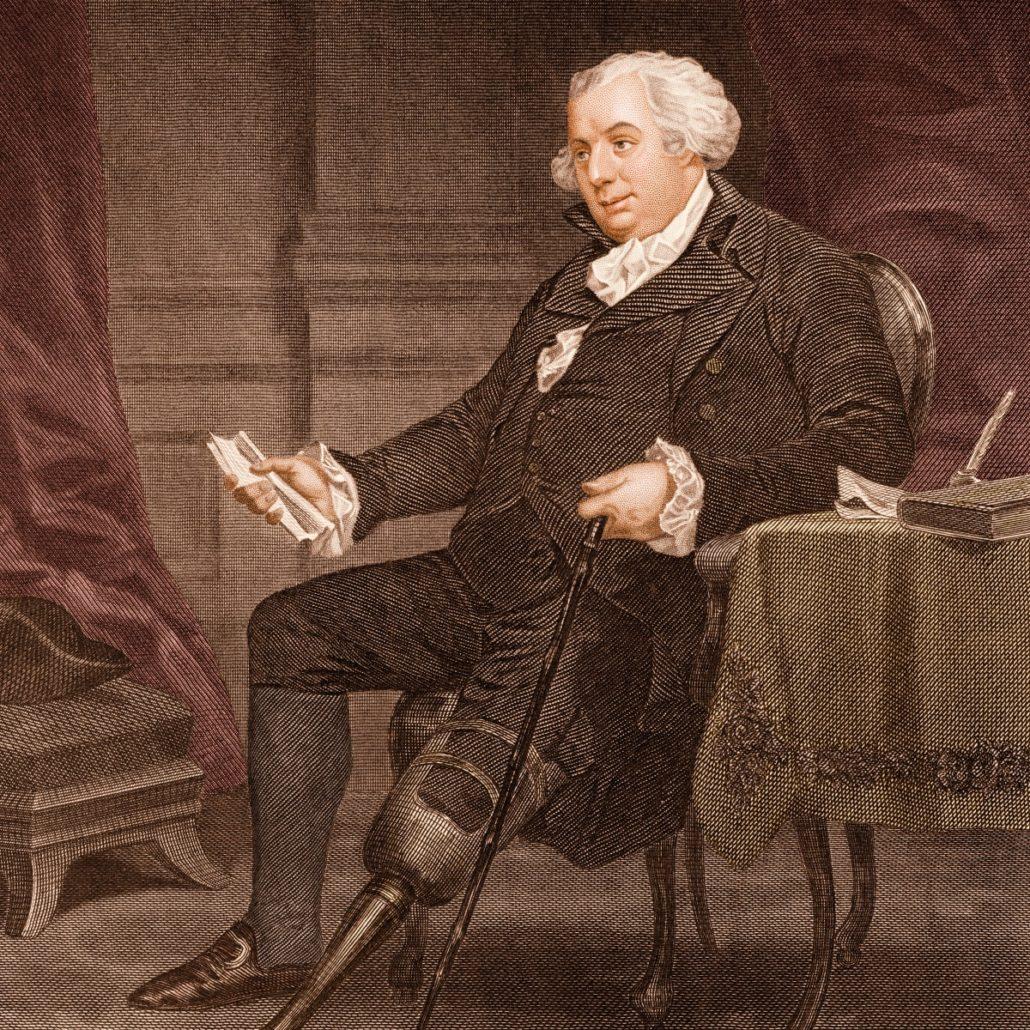
FACT 1: The Man Who Wrote "We The People" Isn't Who You Think
Most people assume James Madison wrote "We the People". But he didn't. The phrase was written by a man most Americans have never heard of — and that's the strange part.
His name was Gouverneur Morris. He was thirty-five, had a peg leg from a Philadelphia carriage accident, and gave 173 speeches at the Constitutional Convention — more than any other delegate, edging out James Wilson and James Madison himself.
When the Convention needed someone to shape months of heated debate and rough drafts into a finished document, they handed the job to Morris. He finished it in four days. The Preamble he wrote entirely from scratch.
In 1831, Madison finally gave credit where it was due: "The finish given to the style and arrangement of the Constitution, fairly belongs to the pen of Mr. Morris." High praise. About fifty years too late to do Morris's reputation any good.
FACT 2: Benjamin Franklin Was Carried To The Convention By Prisoners
In the summer of 1787, fifty-five delegates gathered in Philadelphia to write what would become the U.S. Constitution. It was one of the most consequential meetings in human history — and one of its most famous attendees arrived each day carried on the shoulders of jail inmates.
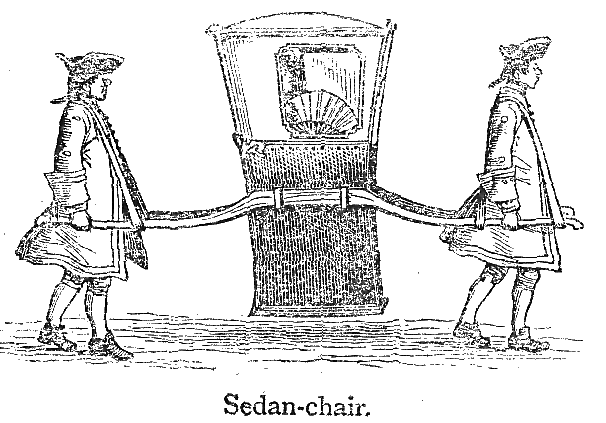
Benjamin Franklin was eighty-one years old. He was suffering from gout and kidney stones so severe he could barely stand, let alone walk the short distance to the meeting hall. So he didn't. He entered the convention hall in a sedan chair carried by four prisoners from the Walnut Street jail in Philadelphia.1
On the final day, as delegates signed the finished Constitution, Franklin looked at the painting of a half-sun on the back of Washington's chair. He had stared at it all summer, unable to tell whether it was rising or setting. When the last signature was done, he said: "Now at length I have the happiness to know that it is a rising and not a setting sun."
FACT 2: Benjamin Franklin Was Carried To The Convention By Prisoners
In the summer of 1787, fifty-five delegates gathered in Philadelphia to write what would become the U.S. Constitution. It was one of the most consequential meetings in human history — and one of its most famous attendees arrived each day carried on the shoulders of jail inmates.
Benjamin Franklin was eighty-one years old. He was suffering from gout and kidney stones so severe he could barely stand, let alone walk the short distance to the meeting hall. So he didn't. He entered the convention hall in a sedan chair carried by four prisoners from the Walnut Street jail in Philadelphia.1
On the final day, as delegates signed the finished Constitution, Franklin looked at the painting of a half-sun on the back of Washington's chair. He had stared at it all summer, unable to tell whether it was rising or setting. When the last signature was done, he said: "Now at length I have the happiness to know that it is a rising and not a setting sun."
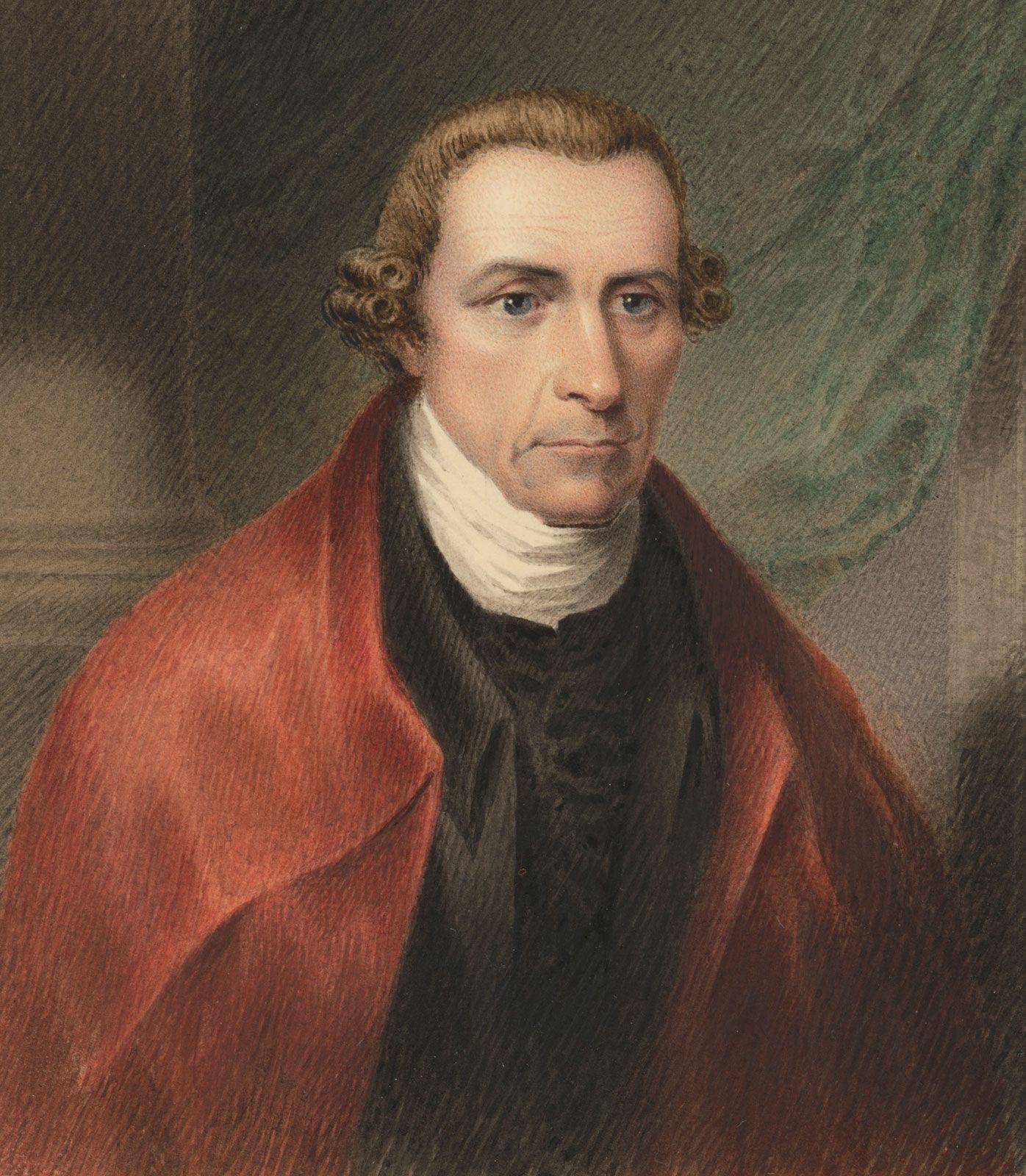
FACT 3: Patrick Henry Smelt A Rat — Kind Of
Patrick Henry — the man who famously declared "Give me liberty, or give me death" — was invited to the Constitutional Convention and turned it down flat.
His reason? "I smelt a rat."
Henry was deeply suspicious that the Convention would produce exactly what it did produce — a powerful central government he believed would threaten states' rights and individual liberty. He wasn't entirely wrong about what they were doing. He just reached a different conclusion about whether it was a good idea.
But here's the part worth noting: his opposition is a large reason why the Bill of Rights exists at all. The promise of those first ten amendments is what finally brought enough skeptics on board to get the Constitution ratified.
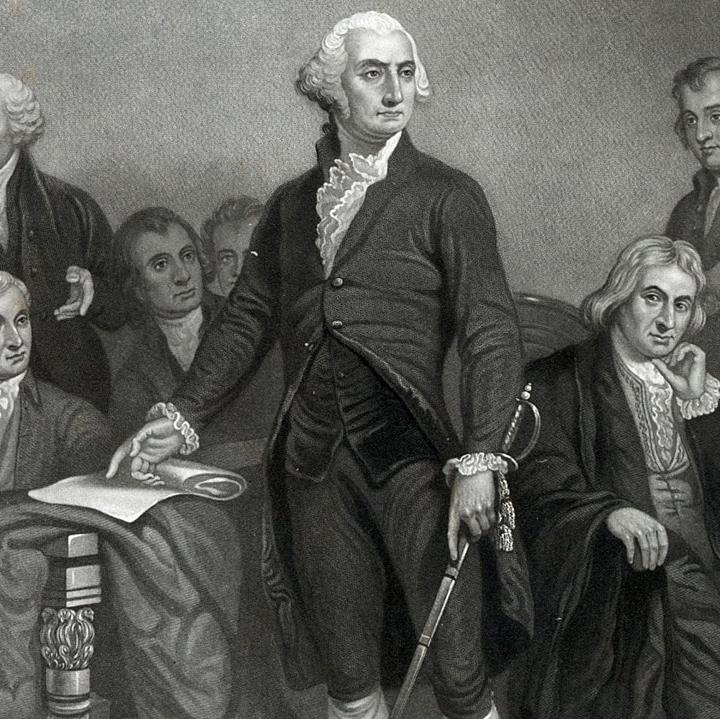
FACT 4: They Almost Called The President "His Highness"
The delegates spent considerable time debating what to call the new nation's chief executive. Several proposals were floated. The Senate's preferred option was:
"His Highness the President of the United States of America and Protector of their Liberties."
The House of Representatives pushed back hard. They argued that a title like that sounded uncomfortably close to the monarchy they had just fought a war to escape. The debate got heated enough that it nearly derailed the early government entirely.
They eventually settled on "The President of the United States." Simple. Understated. But we almost ended up calling our president "His Highness."
FACT 4: They Almost Called The President "His Highness"
The delegates spent considerable time debating what to call the new nation's chief executive. Several proposals were floated. The Senate's preferred option was:
"His Highness the President of the United States of America and Protector of their Liberties."
The House of Representatives pushed back hard. They argued that a title like that sounded uncomfortably close to the monarchy they had just fought a war to escape. The debate got heated enough that it nearly derailed the early government entirely.
They eventually settled on "The President of the United States." Simple. Understated. But we almost ended up calling our president "His Highness."
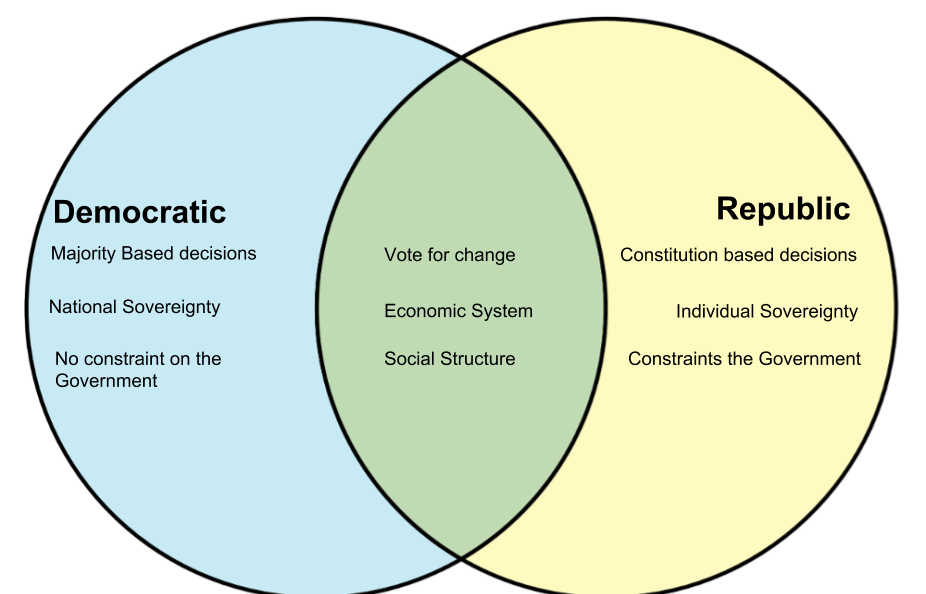
FACT 5: America Is Not A Democracy — And The Constitution Proves It
Here's one most people get wrong. Ask someone what kind of government America has, and they'll say democracy. It's taught in schools, repeated by politicians, and assumed to be settled fact.
But the word "democracy" does not appear anywhere in the U.S. Constitution. Not once.
The Founders had studied ancient democracies closely and concluded that pure democracy — where the majority rules directly on every decision — was dangerous. Majority rule without restraint, they believed, was just mob rule with a nicer name.
What they built instead was a constitutional republic. In a republic, citizens elect representatives to govern on their behalf, and those representatives are bound by a written constitution that protects individual rights — even from the majority.
America was designed to be something more durable than a democracy. A system where your rights can't be voted away by a crowd, where law sits above popular opinion, and where the Constitution, not the majority, is the final word.
Explore American history through scent
The founding of this country wasn't clean or simple. It was messy, sweaty, and argued over by imperfect men who somehow produced something extraordinary.
That spirit, stubborn, principled, and unwilling to quit, is still alive. We built Resistance Candles for the Americans who carry it.
Our American Heritage Collection was where we started — and The Patriot was the first candle we ever released. It's immersive, made without soy wax, and smells like freedom.
You may also like:
Founding Father Facts Most Americans Never Learned in School
3 Irish Founding Fathers Who Shaped the Declaration of Independance