Light the Flame of Freedom.
How 3 Irish Founding Fathers Shaped the Declaration of Independence
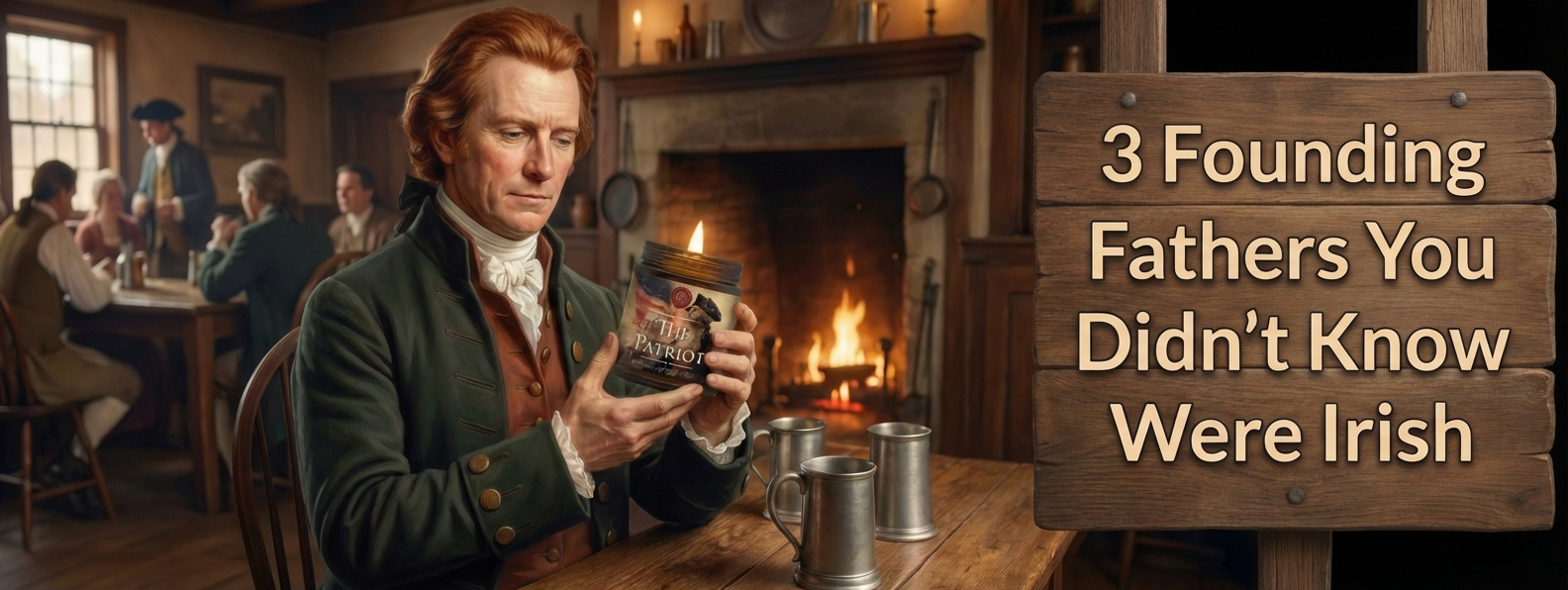
When most people think of St. Patrick’s Day, they picture green beer, parades, and shamrocks.
But there’s a deeper story hiding in the shadows of 1776. Because when the Declaration of Independence was signed, Irish-born patriots were in the room. Men who grew up under the shadow of British rule. Men whose families knew what it meant to have faith restricted, futures capped, and land ruled from far away.
So when the time came to choose between empire and liberty, they didn’t hesitate.
Here are three Irish Founding Fathers whose heritage helped shape the Declaration of Independence.
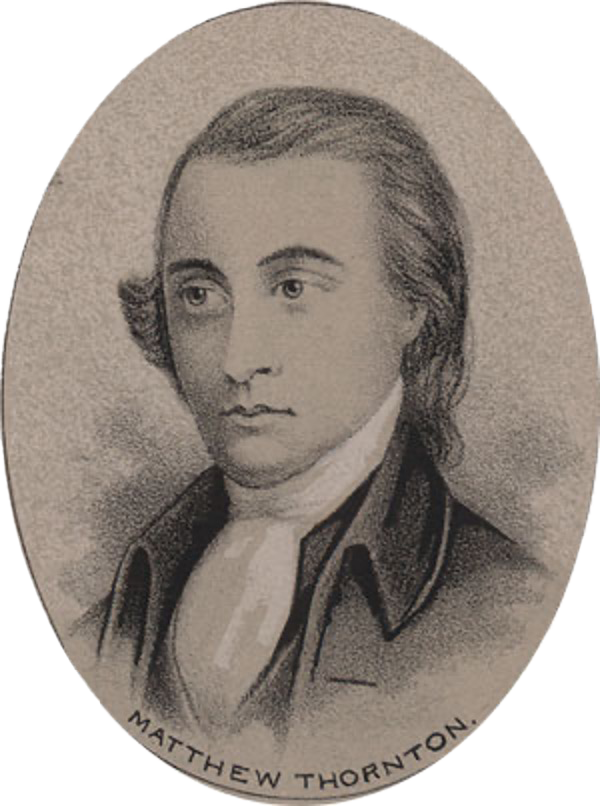
1. Matthew Thornton – The Doctor from Derry
Matthew Thornton was born in Ireland in 1714, likely in County Derry.
His family joined the wave of Irish and Scots-Irish families who came to the New World looking for something simple and radical: Room to breathe. Room to practice faith. Room to build a future without asking a distant king for permission.
Thornton became a respected physician in New Hampshire and served in the colonial militia. He saw the cost of conflict and the character it took to endure hardship.
New Hampshire sent him to the Continental Congress and he added his name to the Declaration.
It was an Irish immigrant’s answer to a question his family had already faced once: Will we live bowed under a distant crown, or stand up and claim our God-given rights?
Thornton chose to stand.
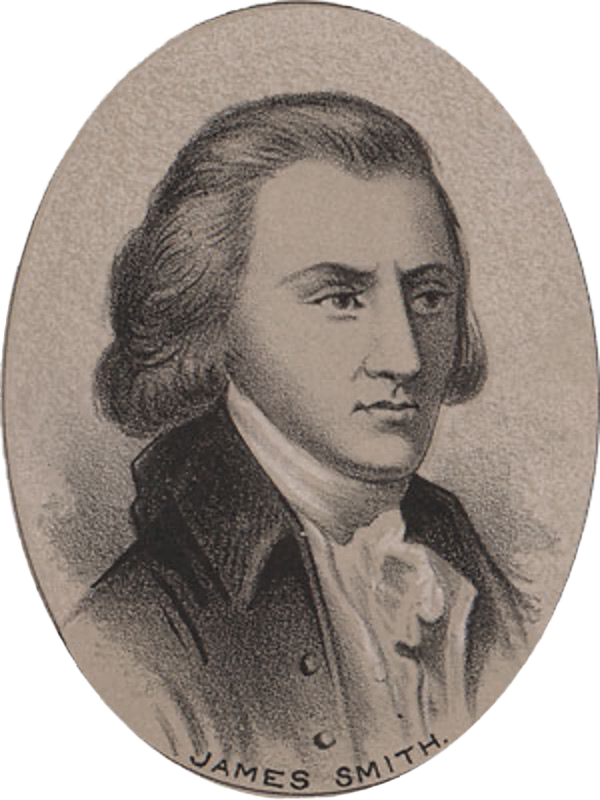
2. James Smith – The Immigrant Lawyer
James Smith was born in Ireland around 1719 and came to Pennsylvania as a boy.
In the colonies, Smith studied law and his legal opinions challenged the British Parliament’s claim to rule over people who had never consented to be ruled.
Ireland had long wrestled with the idea that a far-off government could dictate how you worship, what you own, and how you live. Smith carried that story in his bones.
So when Pennsylvania moved toward independence, Smith was ready. He served in the militia, sat in the provincial congress, and then took his place in the Continental Congress.
He signed his name to a document that declared the colonies free and independent states.
2. James Smith – The Immigrant Lawyer
James Smith was born in Ireland around 1719 and came to Pennsylvania as a boy.
In the colonies, Smith studied law and his legal opinions challenged the British Parliament’s claim to rule over people who had never consented to be ruled.
Ireland had long wrestled with the idea that a far-off government could dictate how you worship, what you own, and how you live. Smith carried that story in his bones.
So when Pennsylvania moved toward independence, Smith was ready. He served in the militia, sat in the provincial congress, and then took his place in the Continental Congress.
He signed his name to a document that declared the colonies free and independent states.
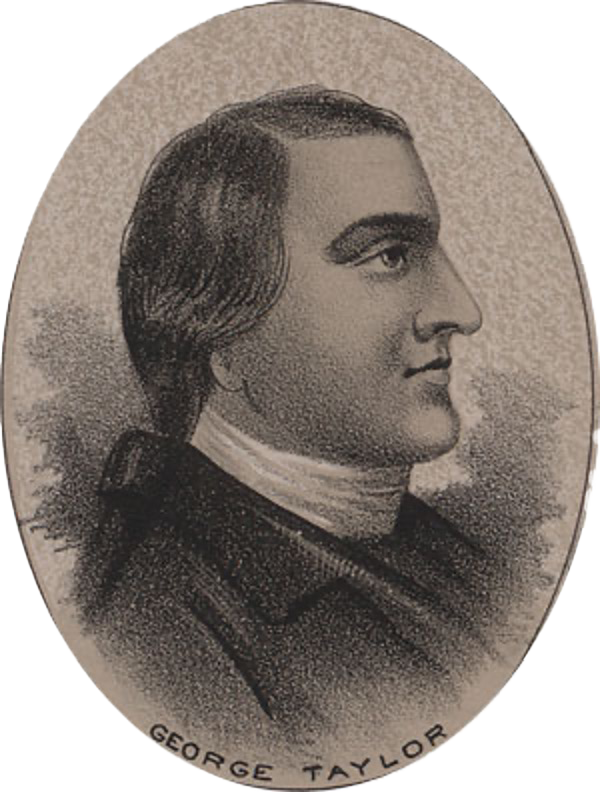
1. George Taylor – The Ironmaster
George Taylor was born in Ireland in 1716 and arrived in America as an indentured servant. He eventually worked his way out of bondage, rising to become an ironmaster in Pennsylvania.
As an ironmaster, he supplied cannon and shot to the colonial cause.
When several Pennsylvania delegates resigned and new men were chosen, Taylor was called up to the Continental Congress and signed the Declaration in 1776.
For a man who had once labored under contract with almost no control over his future, the words of the Declaration weren’t theory:
“All men are created equal… endowed by their Creator with certain unalienable Rights…”
St. Patrick’s Day isn’t just about wearing green and lucky charms...
It’s a reminder of how the faith, courage, and heritage of these Founders stood for the freedom of a nation.
You and I may not be signing a declaration any time soon, but every choice we make sends a quiet signal.
You can remember their fight with candles like The Patriot and USA 250 - Founding Flame. This St. Patrick's Day, light the flame of freedom.
POPULAR CONTENT

5 Reasons Why You Should Stop Burning Soy Candles
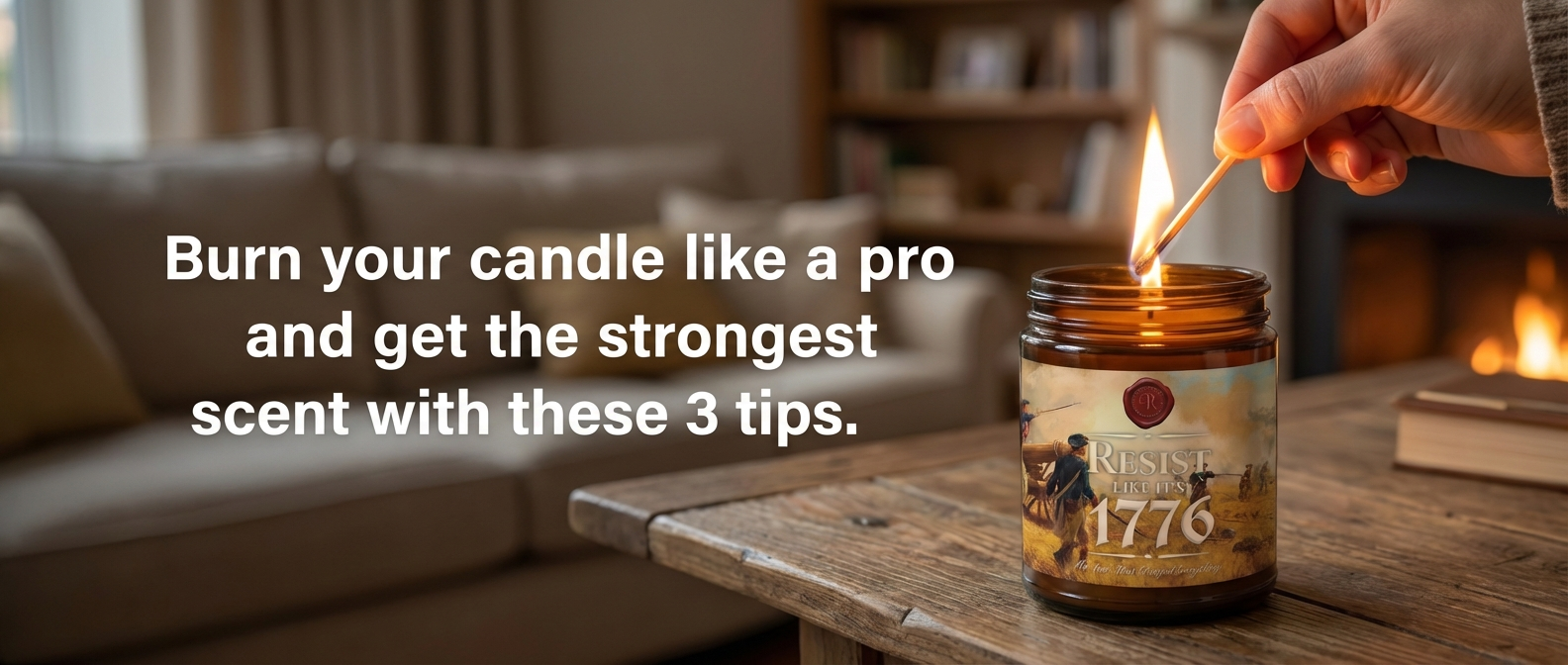
3 Simple Tips Burn Your Candle Like a Pro
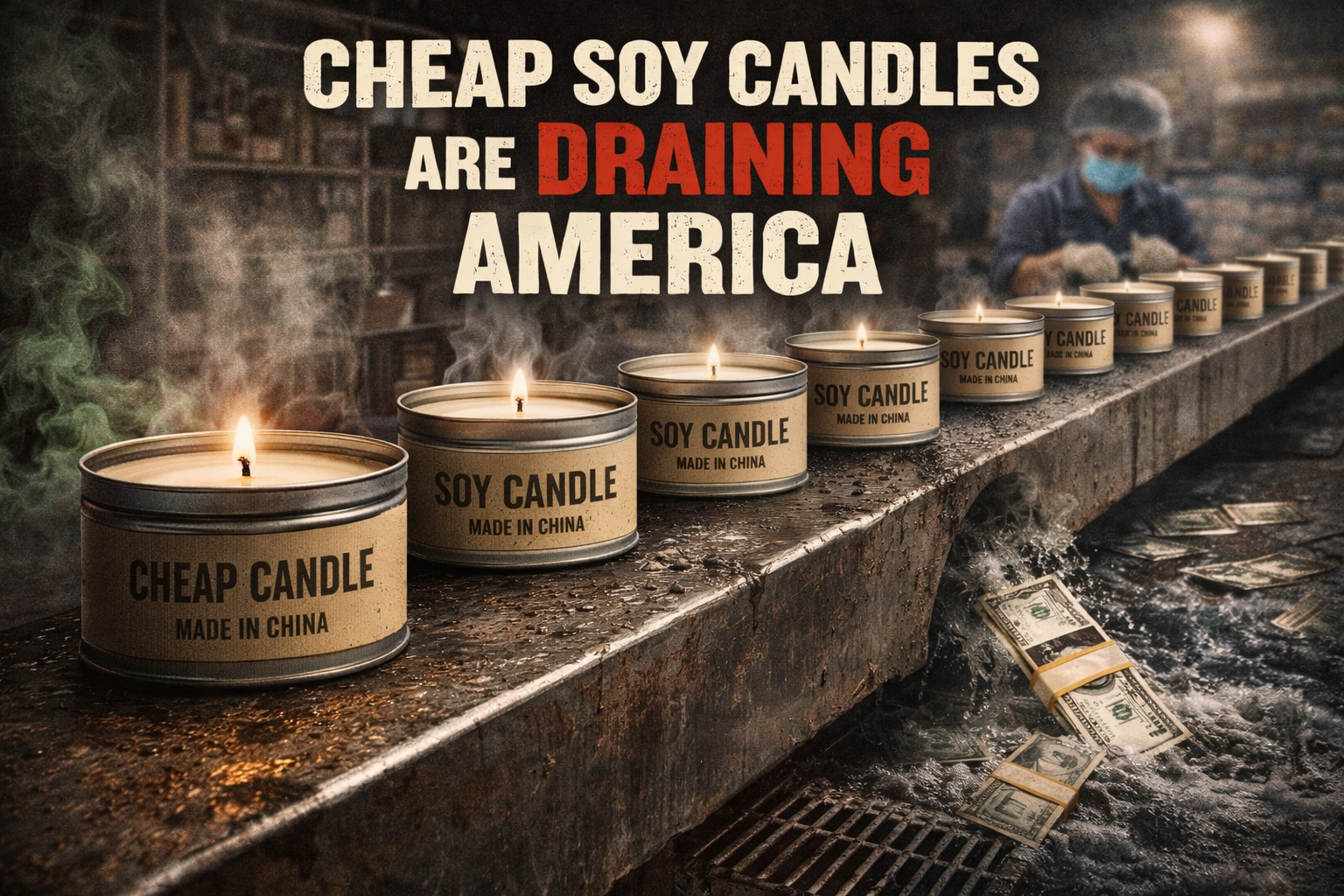
5 Reasons Why You Should Stop Burning Soy Candles
For all general inquiries, please contact us at care@resistancecandles.com
© Copyright. All rights reserved.