Light the Flame of Freedom.

Founding Father Facts Most Americans Never Learned in School
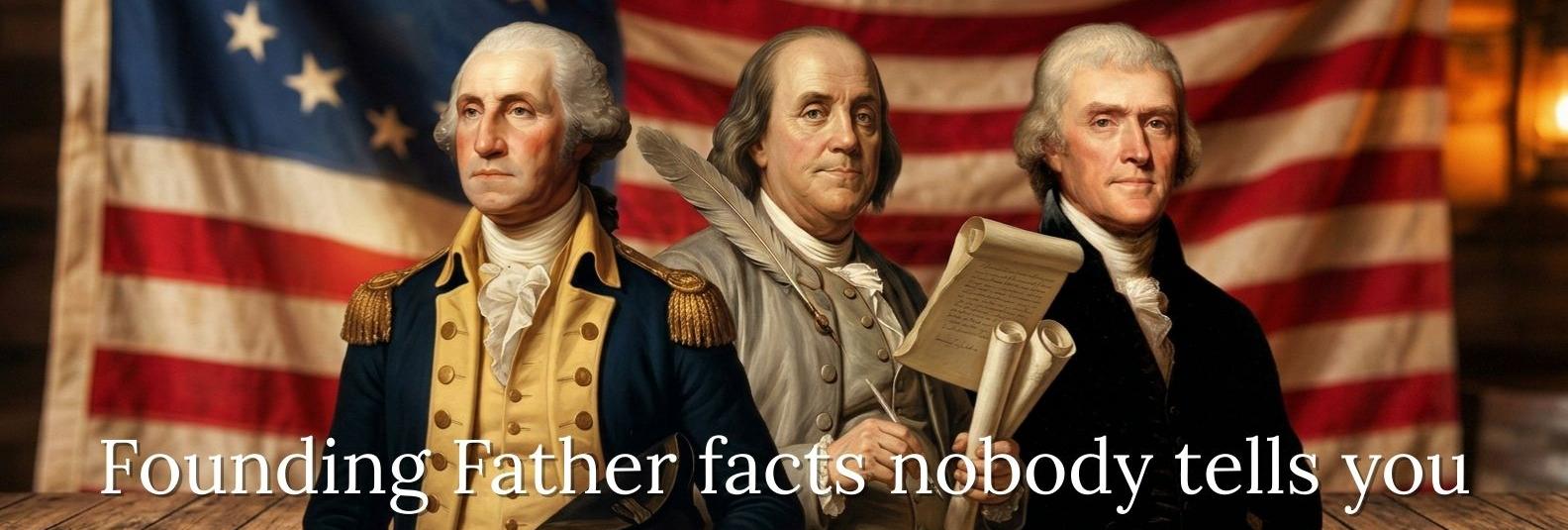
Most Americans think they know the Founding Fathers.
Franklin flew a kite.
Jefferson wrote the Declaration.
Washington became the first President.
But the real stories behind these men are far more surprising—and far more important to understanding how America was actually built.
America wasn’t formed by committees and slogans. It was built by individuals who made difficult decisions when the future of a new nation was far from certain.
Three of the most influential (and fan-favorites) were:
• Benjamin Franklin
• Thomas Jefferson
• George Washington
Each shaped the destiny of the United States in a completely different way—through diplomacy, ideas, and leadership.
Below are several stories and facts about these founders that reveal the character behind the American Revolution of 1776.
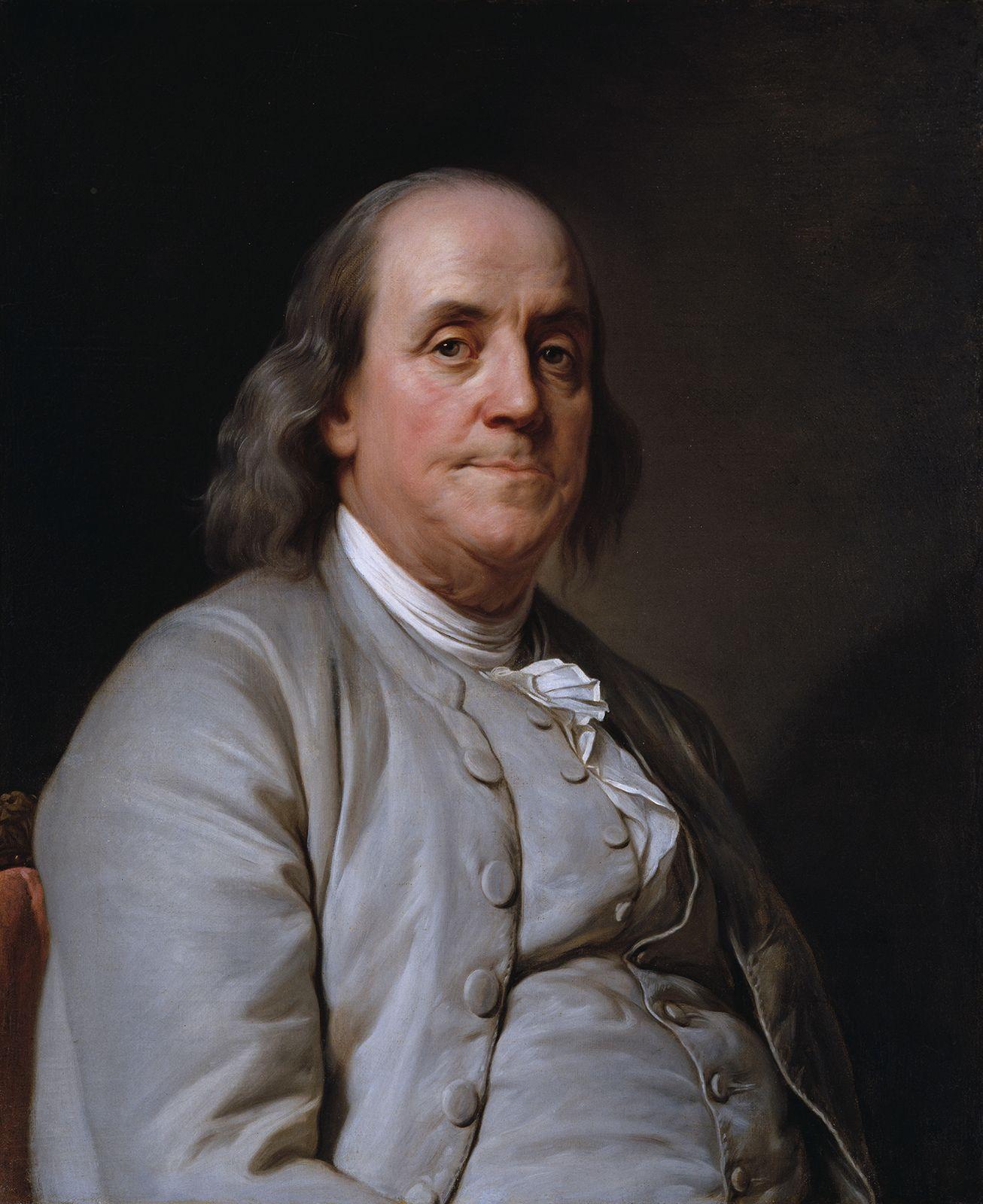
1. Benjamin Franklin - The Diplomat Who Quietly Won a War
Most people remember Benjamin Franklin from the famous kite-and-key story. But the moment that may have mattered most for the American Revolution didn’t happen in Philadelphia.
It happened thousands of miles away—in Paris, France.
By the late 1770s, the American colonies were struggling. The Continental Army needed funding, ships, weapons, and trained soldiers.
Without outside help, the revolution might have collapsed.
Franklin crossed the Atlantic in his seventies and entered the political salons of France. Instead of presenting himself as a polished aristocrat, he leaned into a different image—appearing in simple clothing and often wearing a fur cap that emphasized his identity as an American frontiersman.
The strategy worked.
Franklin built trust with French leaders and ultimately persuaded the monarchy to support the American cause.
France eventually provided:
• Military funding
• Naval power
• Troops
Historians widely agree that French support became a turning point in the American Revolution.
2. Thomas Jefferson - The Pen That Announced Freedom to the World
Before there was a country called the United States, there was an idea. A radical one.
The belief that human rights come from God—not government.
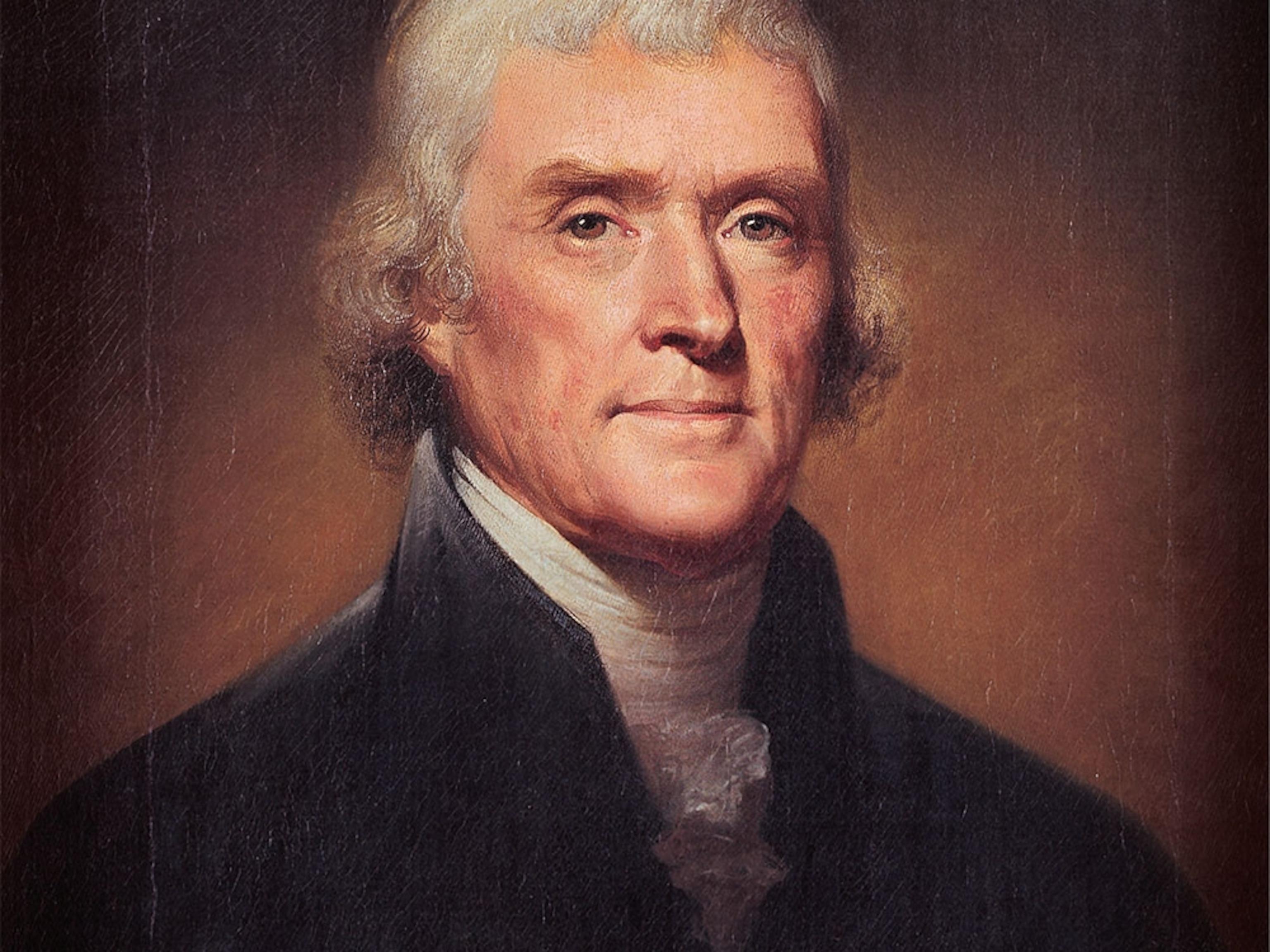
In the summer of 1776, Congress asked a young Virginia lawyer named Thomas Jefferson to turn that idea into a document explaining why the colonies were separating from Britain.
Working in Philadelphia, Jefferson drafted what would become one of the most influential political statements in world history: the Declaration of Independence.
Instead of listing only complaints against the British Crown, Jefferson framed the revolution around universal principles.
He wrote the words that still define the American experiment:
“All men are created equal… endowed by their Creator with certain unalienable Rights… among these are Life, Liberty, and the pursuit of Happiness.”
Those lines did more than justify a colonial rebellion. They:
• United the thirteen colonies around shared principles
• Explained America’s cause to the world
• Inspired future movements for liberty across the globe
2. Thomas Jefferson - The Pen That Announced Freedom to the World
Before there was a country called the United States, there was an idea. A radical one.
The belief that human rights come from God—not government.
In the summer of 1776, Congress asked a young Virginia lawyer named Thomas Jefferson to turn that idea into a document explaining why the colonies were separating from Britain.
Working in Philadelphia, Jefferson drafted what would become one of the most influential political statements in world history: the Declaration of Independence.
Instead of listing only complaints against the British Crown, Jefferson framed the revolution around universal principles.
He wrote the words that still define the American experiment:
“All men are created equal… endowed by their Creator with certain unalienable Rights… among these are Life, Liberty, and the pursuit of Happiness.”
Those lines did more than justify a colonial rebellion. They:
• United the thirteen colonies around shared principles
• Explained America’s cause to the world
• Inspired future movements for liberty across the globe
3. George Washington - The General Who Chose to Walk Away
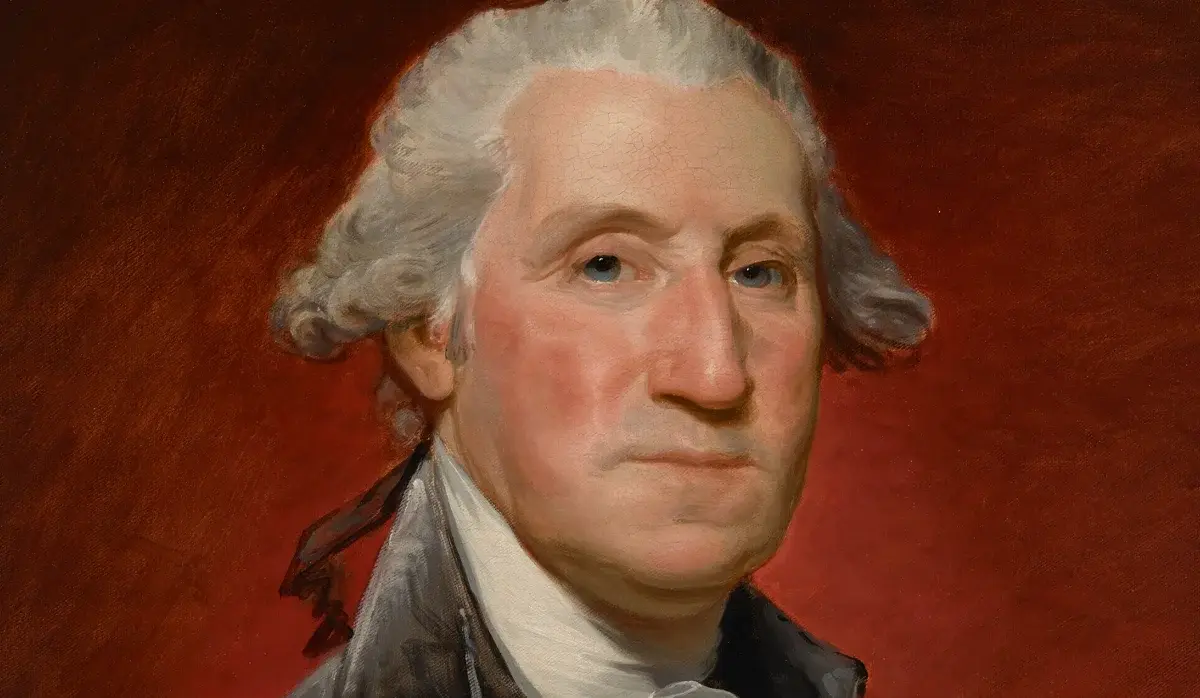
When most Americans think of George Washington, they picture the first President. But his greatest act of leadership may have happened before he ever took office.
During the American Revolution, Washington commanded a fragile army that often faced overwhelming odds.
His soldiers endured brutal conditions—especially during the winter encampment at Valley Forge, where food was scarce, pay was delayed, and many soldiers lacked proper clothing.
Yet Washington kept the army together.
He crossed the icy Delaware River on Christmas night in 1776, launching a surprise attack that revived morale and proved the revolution was still alive.
But Washington’s most defining decision came after victory.
Once the war ended, the victorious general of the army could easily have seized power. History had seen that pattern many times before.
Instead, Washington resigned his military commission and returned to his farm at Mount Vernon. Years later, after serving two presidential terms, he stepped down again—establishing the tradition that leaders in a republic lead with humility instead of pride.
Why These Stories Still Matter Today
The Founding Fathers were not perfect men, but they understood something rare in history: Freedom requires courage, sacrifice, and conviction.
The ideas they defended—liberty, self-government, and individual rights—shaped not only the United States but democratic movements around the world. Yet many of those stories are slowly fading from everyday life.
That’s one reason we created our Founding Father candle collection. A small way to keep those stories visible in modern homes. A reminder that history isn’t only something we read about. It’s something we choose to remember.
Benjamin Franklin helped secure the allies that made independence possible. Thomas Jefferson gave voice to the ideals that justified the revolution. George Washington modeled the character needed to protect a republic.
Together, their decisions helped transform a fragile rebellion into a nation.
POPULAR CONTENT

5 Reasons Why You Should Stop Burning Soy Candles

3 Simple Tips Burn Your Candle Like a Pro

5 Reasons Why You Should Stop Burning Soy Candles

For all general inquiries, please contact us at care@resistancecandles.com
© Copyright. All rights reserved.